Healthy eating is easier to think about as a collection of repeatable choices than as a strict diet. This guide explores small changes, flexible planning, food awareness, and ways to enjoy nutritious meals in the context of real everyday life.
Why Sustainable Habits Matter
Eating patterns develop through everyday repetition, social routines, family traditions, and personal preferences. A sustainable habit is one that fits your life well enough to repeat without constant effort. Rather than focusing on dramatic short-term change, it can be more helpful to consider what makes nourishing meals possible on an ordinary Tuesday or a busy weekend.
Healthy habits do not require every meal to look alike. Enjoyment, convenience, budget, and cultural foods all shape how people eat. An approach with room for these realities can support consistency. The aim is not to create a perfect record of food choices, but to develop more awareness and a practical collection of options.
A gentle weekly reset
One habit at a time
Starting with Small Changes
Large rule-based plans may feel exciting at first but can be hard to maintain. Small changes give you room to learn. Adding one vegetable side to lunch, keeping fruit available, or planning breakfast before a busy morning are examples of manageable starting points. A small action repeated several times can become part of the routine with less planning.
Choose a change that matters to your daily experience. If you often skip vegetables because chopping and cooking take time, try pre-washing greens rather than redesigning your entire menu. If lunch decisions are rushed, identify two easy meals at the beginning of the week. Notice what helped and adjust the next step without judging your progress.
Building Awareness Around Food Choices
Awareness starts with curiosity. Ask which meals leave you satisfied, which ingredients you enjoy, and when cooking feels difficult. Notice how work schedules, travel, and social events affect food availability. Paying attention to these patterns can reveal practical opportunities, such as keeping a snack for a long commute or preparing ingredients before a busy day.
Food labels and ingredient lists may also be useful tools, particularly when comparing similar packaged products. They provide information about what a food contains, but they do not tell the whole story of your diet. Consider foods in the context of the meal and your overall eating pattern. This broader perspective keeps everyday choices from becoming an endless series of judgments.
Eating with Flexibility and Variety
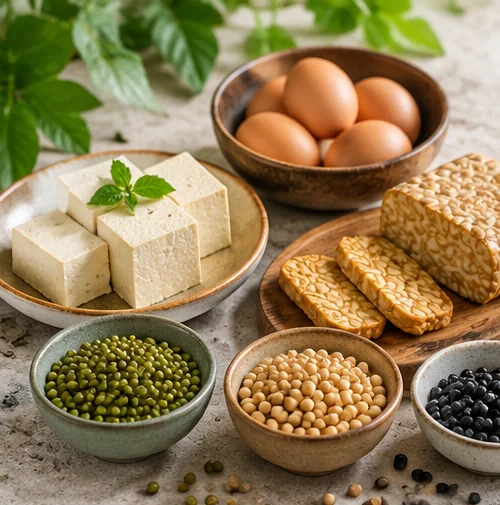
Variety can be explored through food groups, colors, textures, and cooking methods. Rotate leafy greens and orange vegetables, try different fruits, or alternate fish, eggs, tempeh, and beans during the week. A familiar rice meal might change simply by using a different vegetable or protein. Variety makes eating interesting as well as nutritionally diverse.
Flexibility means making room for celebrations, eating out, favorite dishes, and changes in appetite. Some days allow more cooking than others. Rather than dividing foods into absolute categories, consider how different meals fit together across time. It is possible to enjoy customary family foods and still think thoughtfully about vegetable intake, hydration, and meal variety.
Planning Without Overly Restrictive Rules
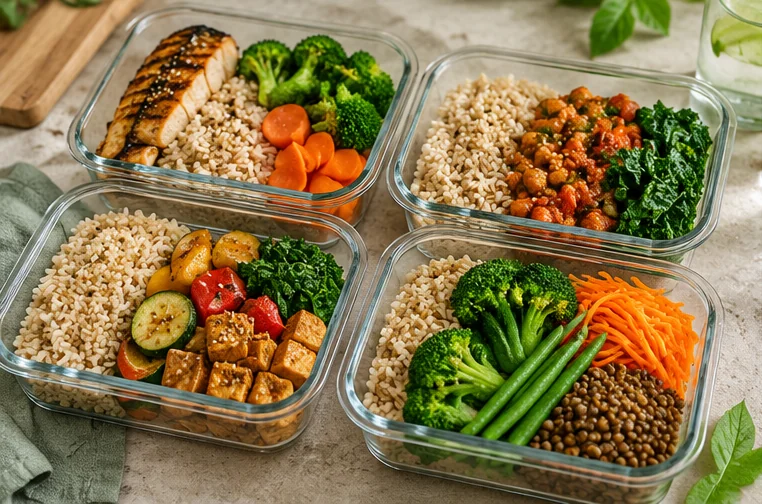
Planning can support eating habits when it reduces last-minute decisions. Choose a few easy meals, keep ingredients that can be combined quickly, and prepare only what suits your schedule. For example, cooked rice, washed vegetables, tofu, and a simple sauce can make several different dishes. Plans should remain adjustable rather than becoming a test of discipline.
There may be days when a planned recipe is not convenient or a preferred ingredient is unavailable. Having substitute options makes this easier. Eggs can replace tofu in some meals, while a different seasonal green can replace spinach. The goal is to build a flexible system of choices, not a fixed list that fails whenever circumstances change.
Understanding Hunger and Fullness
Hunger and fullness are everyday signals that can help you understand your eating experience. They can change with activity, sleep, meal timing, stress, and many other factors. When possible, notice how you feel before, during, and after meals. This may help you recognize whether a meal was satisfying or if a different combination of foods would be more useful next time.
Eating slowly when circumstances permit can make the experience more enjoyable, but people have different schedules and needs. Avoid expecting every meal to happen under ideal conditions. Instead, be attentive without turning hunger into a strict set of rules. A flexible routine leaves room for changing appetites and the different situations that everyday life brings.
Managing Everyday Challenges
Busy workdays, limited grocery options, and shared family schedules can interrupt good intentions. Planning ahead can help, but so can a realistic fallback. Keep a few shelf-stable staples, identify nearby food options that include vegetables and protein-rich foods, or use leftovers intentionally. A simple meal is often more practical than waiting for the perfect opportunity to cook.
Household preferences can also differ. A shared staple such as rice can be served with several side dishes so people can choose combinations they enjoy. When eating outside, look for opportunities to add variety instead of trying to control every ingredient. Challenges become easier to manage when there are several acceptable options, not only one ideal menu.
Maintaining Long-Term Consistency
Review routines with a gentle, practical mindset. Which choices have become easier? Which are still inconvenient? If a habit does not fit, consider changing the method rather than abandoning the goal. You may find that vegetables are more convenient at lunch than dinner, or that shopping twice a week works better than buying everything at once.
Consistency means returning to useful habits after ordinary interruptions. Travel, holidays, and busy periods are part of life. Keep a few clear principles in mind: choose variety, combine food groups, enjoy familiar meals, and build routines around realistic circumstances. These ideas can remain useful even as specific foods and schedules change.
Think in Experiments, Not Rules
Many everyday habits begin as small experiments. You might try preparing fruit the evening before a busy morning, adding greens to a familiar lunch, or placing a water bottle somewhere visible. After a few days, notice whether the change helped. If it did not, adjust the idea rather than blaming yourself. Sometimes a different time of day, ingredient, or reminder is all that is needed to make a routine fit.
Food experiments are useful because they reveal how your actual days work. A weekday breakfast might need to be very quick, while weekend cooking can be more leisurely. A meal that suits one household member may not be another person's favorite. When you make room for these differences, you can create habits based on real preferences instead of trying to copy someone else's schedule.
Respond to Common Obstacles with Small Adjustments
When there is little time: keep versatile ingredients available and identify a few meals that take only a short time to assemble. Rice, tofu, steamed greens, canned beans, or eggs can make the decision easier. Preparing one ingredient in advance may be enough; not every meal needs to be cooked ahead.
When meals are shared: look for a flexible base that everyone can enjoy, with toppings or side dishes adjusted to taste. The goal is not to create separate menus for every person, but to make balanced options available in a practical way.
When plans change: return to the next ordinary meal rather than trying to compensate for what happened earlier. A delayed lunch, celebration, or unexpected takeaway does not cancel the useful choices you have already made.
When motivation fades: reduce the size of the habit. Washing one vegetable or putting a bottle of water on the table can keep the routine familiar. Habits that work even on tiring days often have more staying power than demanding routines.
Review Progress Through Everyday Experience
A useful review does not need a score or a strict record of everything eaten. Ask whether meals have become easier to prepare, whether the grocery list contains a little more variety, or whether you are more comfortable adapting recipes. Notice which habits make everyday life feel calmer and which require too much effort. These observations provide practical information for deciding what to keep and what to change.
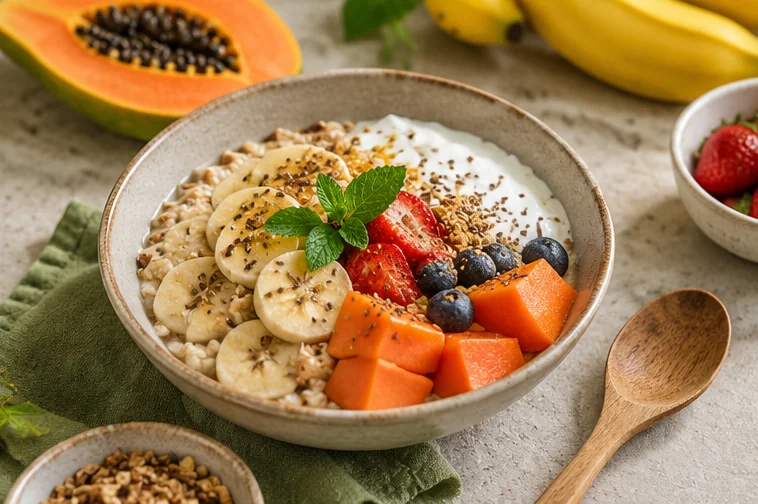
It can help to choose one focus for the next week rather than a long list of targets. Perhaps you want to include fruit at breakfast more often, prepare vegetables earlier in the day, or make lunch planning less last-minute. Write the idea in simple language and connect it to something you already do. A new behavior is easier to remember when it follows a familiar routine, such as putting vegetables on the counter after unpacking groceries.
Above all, allow food to remain enjoyable. Flavor, family traditions, social occasions, and comfort have a place in how people eat. A sustainable approach provides enough structure to make choices easier while leaving room for preferences and unexpected moments. That balance helps healthy eating feel like part of life rather than a separate project that must always be managed.
Conclusion
Healthy eating habits are developed through many ordinary decisions rather than a single dramatic change. Small improvements, food awareness, flexible planning, and room for favorite ingredients can all make a balanced routine more approachable. There is no need to turn every meal into a rigid checklist.
Begin with one change that fits your life today. Observe how it works, keep what is useful, and adjust what is not. Over time, your collection of practical food choices can grow while leaving space for enjoyment, culture, and everyday variety.